Many tour operators do not need the most complete software. They need software the team actually uses every day. Those are different things. A feature-heavy tool can look impressive in a demo, but if the owner, admin, or guide eventually goes back to WhatsApp and spreadsheets, the system is not solving the real operational problem.
The problem is not always not enough features
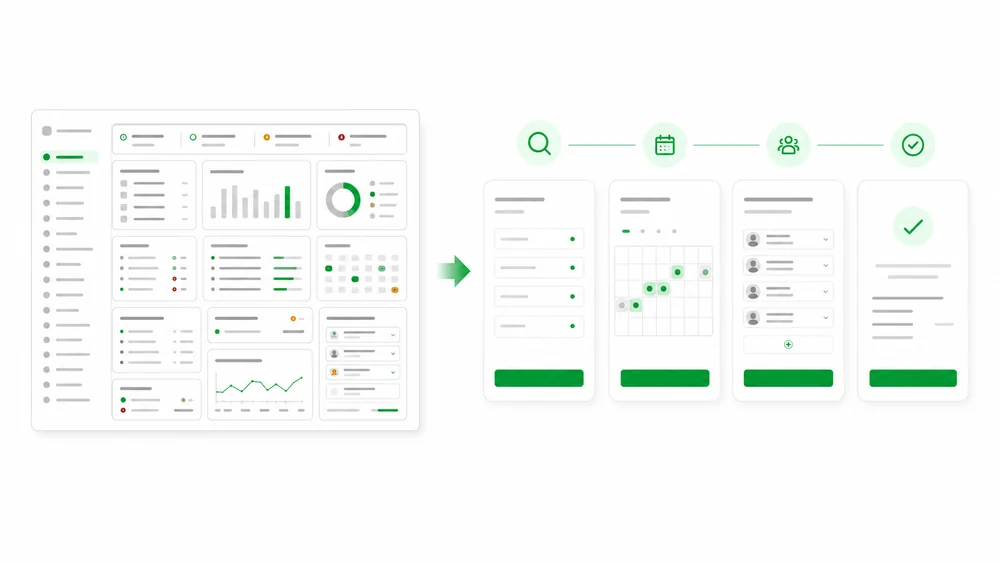
Many owners start looking for software when bookings get busier. They see features such as booking engines, payments, channel management, reporting, staff management, waivers, add-ons, resellers, and more. Those features are useful for the right business.
But if your main needs are replying to inquiries faster, knowing which date the customer wants, avoiding double bookings, recording guest count, following up on deposits, and seeing today’s bookings, then a very complete system can feel heavy.
Simple does not mean weak
Simple booking software does not mean unserious. Simple means the features directly help daily work. For a small tour operator, a good system should answer: who booked, what date, which package, how many people, whether the deposit has been paid, who needs follow-up, and what today’s schedule looks like.
If the dashboard answers these quickly, the system is already creating real value.
Why complexity can reduce adoption
Software is only useful when it is used. If setup is too long, admins are confused, fields are excessive, or the customer flow does not match how people ask questions, the team will look for shortcuts. The shortcut is usually WhatsApp.
The system exists, but bookings are still recorded manually. The calendar exists, but admins still ask the owner. The form exists, but customers are still sent to chat. The problem is not that no tool exists. The problem is that the tool is not light enough to fit the team’s habits.
Where Arion fits
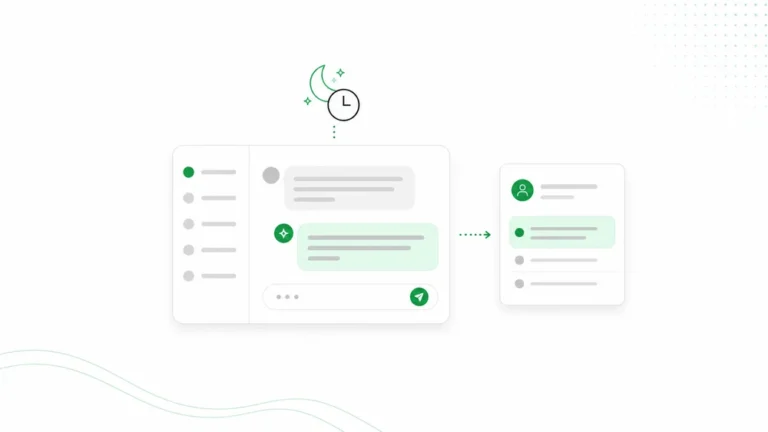
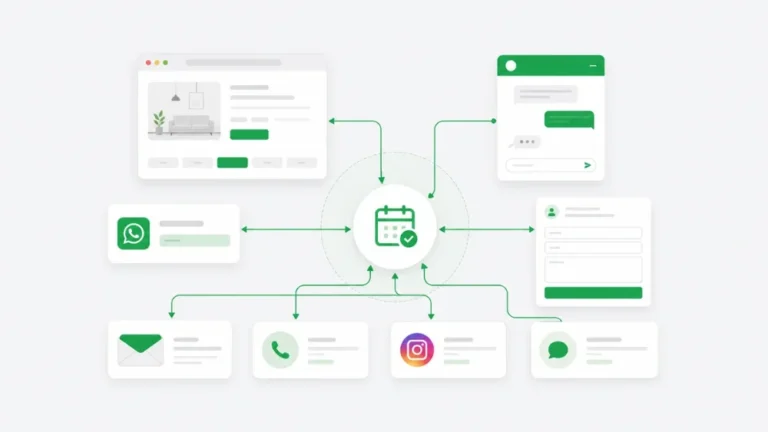
Arion supports tour and activity businesses with a lighter approach. Customers can enter through a booking page, inquiry form, or AI booking chat. The AI can answer initial questions, collect important details, and guide customers toward a booking or inquiry.
Owners see the data in a dashboard: bookings, schedule, customers, deposits, and conversations that need attention. This works well for businesses that want to move beyond manual WhatsApp workflows but are not ready for a heavy global system.
Conclusion
Not every tour operator needs a global platform on day one. Many need a system that is simpler, easier to adopt, and closer to local customer behavior. If your business still depends on WhatsApp, spreadsheets, and admin memory, the first step is getting inquiries and bookings into a cleaner system.
Related reading
CTA
If you want a booking system that keeps operations clean without making daily work feel heavy, Arion can help with the most important flow first: inquiry, booking, schedule, customer, and follow-up.