The growth of padel and tennis creates new business opportunities, but it also increases operational complexity. Court reservations, private coaching, group classes, memberships, rescheduling, deposits, and capacity should not depend on disconnected chat threads and spreadsheets.
A padel or tennis booking system helps customers see available services and helps owners keep schedules under control. However, not every platform has the same focus. Some are court marketplaces, some are club-management systems, some handle tournaments, and others focus on coaching, classes, or booking assistance.
This guide helps owners choose based on the actual business model.
Common operational problems
Many clubs and academies begin with a simple process:
Customer sends a message → admin checks the schedule → admin offers a time → customer transfers payment → admin records the booking
This can work at low volume. Problems appear as courts, coaches, customers, and channels increase.
Typical risks include:
- double bookings
- unpaid customers holding prime slots
- an available coach without an available court
- an available court with a full class
- reschedules not being recorded
- multiple admins working from different information
- scattered customer data
- no clear court-utilization view
- repetitive questions consuming admin time
A good system should reduce these risks rather than simply put a calendar on a screen.
Define the business model first
Court rental
The customer rents one court for a defined duration. The priorities are court availability, flexible duration, peak and off-peak pricing, and payment.
Private coaching
The customer buys a session with a coach. The system may need to coordinate coach, court, duration, player level, and participant count.
Group classes
A scheduled class can contain several players. Capacity, coach, minimum participants, waiting lists, and attendance become important.
Academy programs
Programs may be recurring and organized by level, age group, curriculum, and coaching team.
Camps and clinics
A program may run for several days and include accommodation, meals, transport, or recovery.
Each model needs different features. A court-rental product may be a poor fit when coaching and camps generate most of the revenue.
Core court-booking features
A court-focused business should consider:
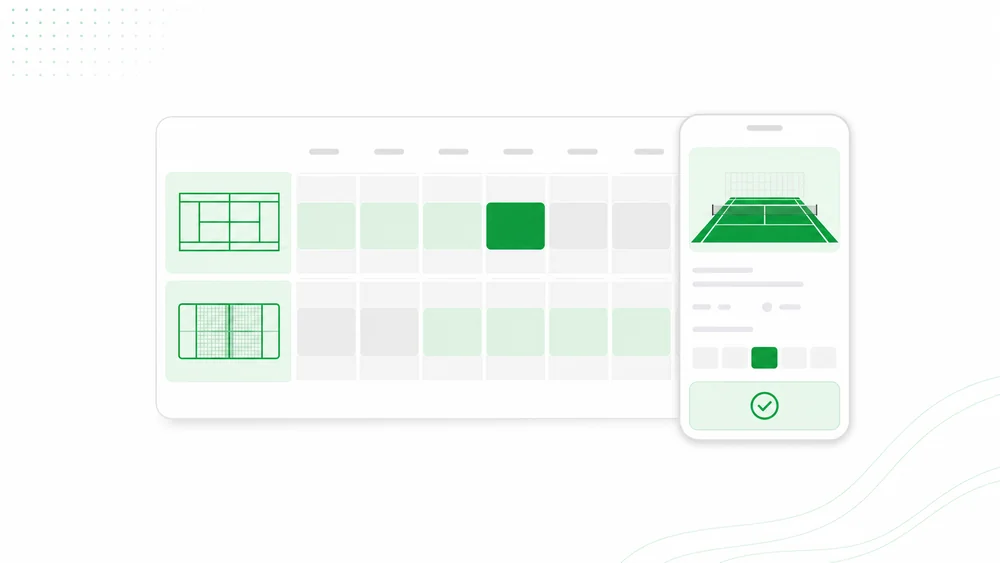
- real-time availability
- multiple courts or resources
- flexible booking duration
- buffers between bookings
- time-based pricing
- recurring closures
- maintenance blocks
- rescheduling and cancellation
- payment or deposits
- reminders
- customer history
- utilization reporting
Businesses operating multiple venues or a public marketplace will need additional infrastructure.
Coaching and academy features
An academy needs another operational layer:
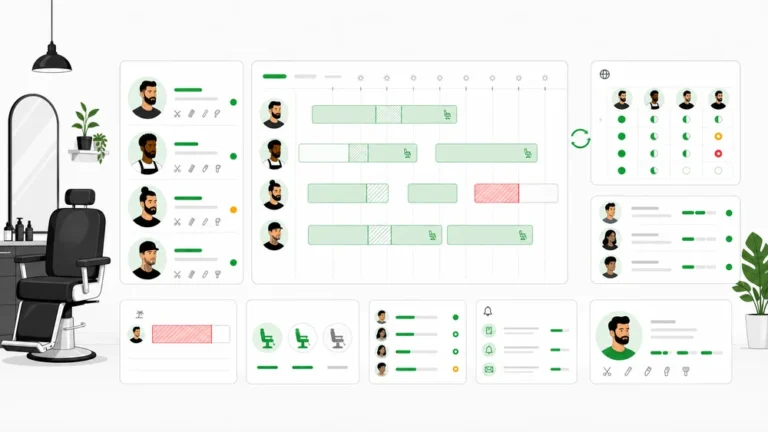
- coach assignment
- coach unavailability
- participant capacity
- player level
- private and group lessons
- customer notes
- emergency contacts for juniors
- waivers
- multi-session packages
- attendance
- schedule-change communication
Arion supports session booking, capacity, participant records, staff assignment, deposit tracking, and customer history. It is not positioned as a membership platform, tournament bracket system, or player marketplace.
That distinction helps owners choose honestly.
Do customers need accounts?
Not always.
For one-time reservations, mandatory accounts and OTP can create friction. Customers should often be able to select a service, date, and time and submit their details without a long registration process.
Accounts become more useful when the business offers:
- memberships
- stored credit
- multi-session passes
- recurring subscriptions
- competition profiles
- community matchmaking
A business can start with guest booking and introduce accounts when the customer value is clear.
Website booking or WhatsApp?
They can work together.
A website or booking page is useful for:
- displaying services
- selecting dates and time slots
- collecting structured data
- explaining policies
- issuing confirmation references
WhatsApp remains useful for:
- special questions
- personal follow-up
- group requests
- urgent changes
- building trust
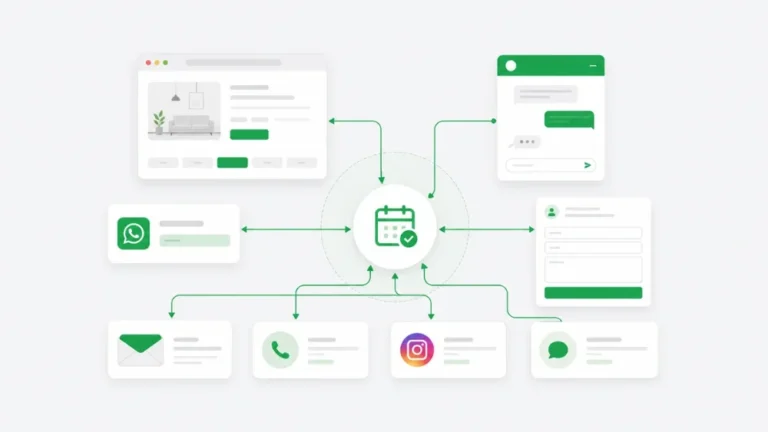
The problem begins when WhatsApp becomes the only calendar and booking database.
A healthier model is:
Customer reviews information → chooses booking or chat → data enters a dashboard → admin follows up when needed
AI booking assistants for clubs and academies
An AI booking assistant can answer questions such as:
- Is the lesson suitable for beginners?
- Is a female coach available?
- Can an eight-year-old join?
- Are rackets included?
- How many players are in a class?
- Can the booking be moved?
- Is there availability tomorrow morning?
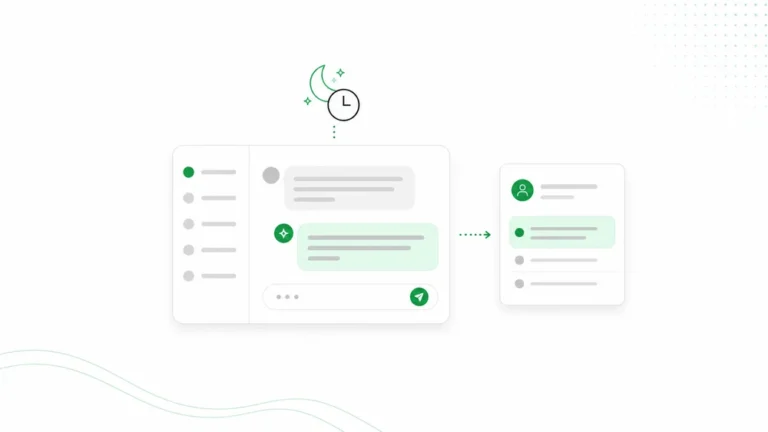
A useful assistant should not stop at generic answers. It should use business knowledge, collect relevant details, check availability, and send the outcome into the operational dashboard.
Cases that cannot be decided automatically should escalate to the owner.
Measuring software ROI
Do not compare subscription fees alone.
Measure:
- admin time saved
- bookings that are no longer lost
- reduction in double booking
- inquiry-to-booking conversion
- filled time slots
- deposits successfully collected
- returning customers
- no-show rate
- utilization per court
- revenue per coach or program
A low-cost tool is still expensive if the team does not use it. A higher subscription may be reasonable when it protects several valuable bookings each month.
When Arion fits
Arion can fit padel and tennis businesses focused on:
- private coaching
- group classes
- junior programs
- academy sessions
- group inquiries
- sports camps
- deposit-based programs
- customers arriving through websites and chat
- owners needing a daily operations dashboard
Session mode supports time-based lessons. Camp mode handles multi-day programs and accommodation capacity. Inquiry mode supports corporate events and custom group requests.
When a specialized platform may be better
Consider dedicated racket-sports software when the core requirement is:
- a public court marketplace
- automatic opponent matching
- league and tournament management
- complex memberships and wallets
- automated door access
- large-scale retail POS
- highly dynamic minute-based pricing
- enterprise multi-venue management
Arion can serve as a booking assistant and operations layer for coaching or camps, but it should not be forced to replace every specialized racket-sports function.
A selection checklist
Ask:
- Is the primary product court rental, coaching, classes, or camps?
- Do customers need to choose a coach?
- Can one time slot contain several participants?
- Is a deposit required?
- Does pricing change by time or season?
- Are there multiple venues?
- Is membership essential?
- Are customers mostly local or traveling?
- Does much of the process happen in WhatsApp?
- Who will manage the system every day?
These answers matter more than a long feature list.
Conclusion
A padel and tennis booking system should match the business model.
Court rental requires resource calendars and utilization. Coaching needs coach information, player levels, and customer context. Group classes need capacity. Academies need structured programs. Camps need date ranges, participant information, and sometimes accommodation.
Arion is strongest for coaching, classes, camps, and inquiries that benefit from an AI booking assistant and owner operations. Court marketplaces, tournaments, and complex memberships may require specialist software.
The objective is not to collect the most tools. It is to make booking easy for customers and daily operations calmer for owners.
FAQ
What are the essential features of a padel court booking system?
Court availability, duration, pricing, payments, rescheduling, reminders, customer records, and utilization reporting.
Can Arion be used by a padel club?
It can support coaching, classes, camps, and inquiries. Player marketplaces and tournament management require more specialized tools.
Must customers use a mobile app?
No. A mobile-friendly booking page can reduce friction because customers do not need to install anything.
Should WhatsApp be removed?
No. WhatsApp can remain a communication channel, while structured booking data lives in a dashboard.