How to Organize Veterinarian Schedules Without Conflicts examines veterinarian scheduling from the perspective of an owner who wants easier access to services without compromising accuracy, privacy, team capacity, or professional responsibility.
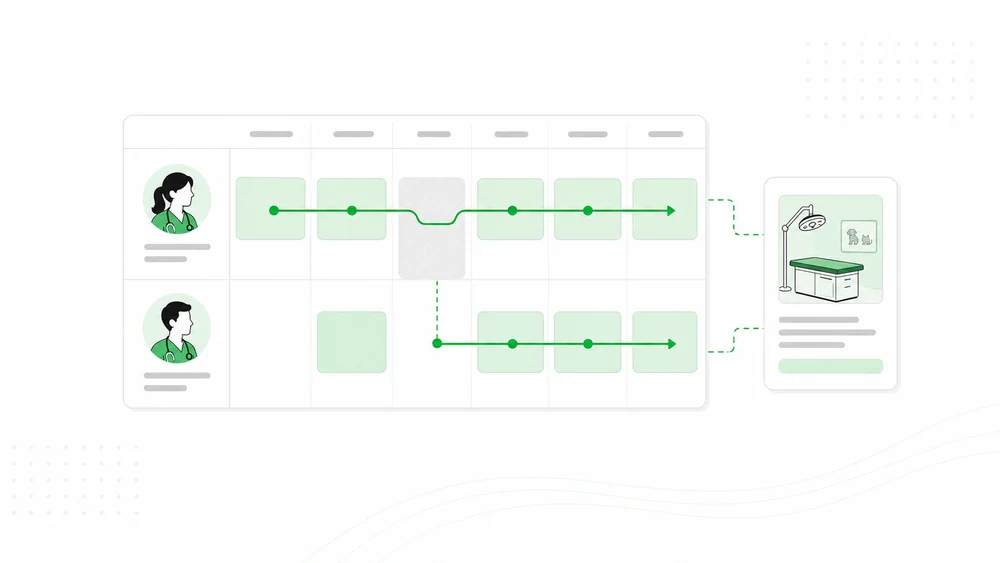
Veterinarian availability is more than working hours. A slot can also depend on service qualifications, location, examination room, equipment, support staff, duration, buffers, and daily conditions.
Why this matters to veterinary clinic owners
A veterinary clinic combines clients, animal patients, veterinarians, nurses, administrators, services, examination rooms, equipment, locations, shifts, emergencies, walk-ins, and appointments. A time that looks free may still be unusable when the veterinarian, room, equipment, or supporting team is unavailable.
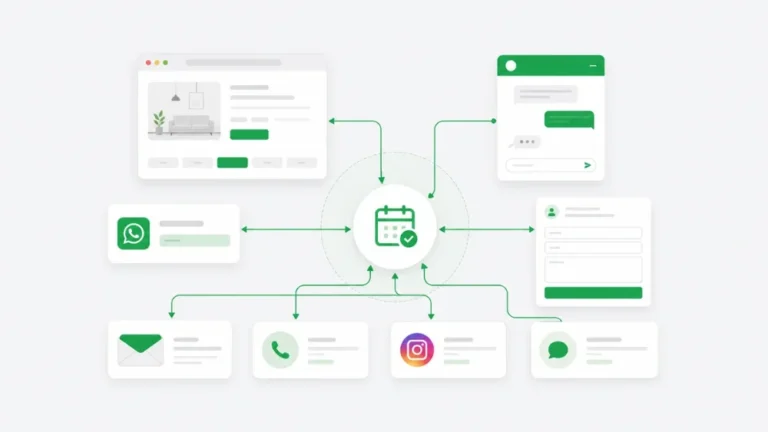
Inquiries can arrive through Google, a website, Instagram, WhatsApp, telephone, referrals, or walk-ins. When each channel keeps a separate record, a question can be mistaken for a booking, changes can miss the calendar, staff can offer an outdated slot, and pet owners may not know whether a visit is confirmed.
Clinic operations change throughout the day. A system should show the plan, actual conditions, exceptions, and the next owner without forcing staff to reread every conversation.
Principles for a safe and clear workflow
- An inquiry is not a booking. A question about services, prices, or schedules does not reserve capacity.
- Requested is not confirmed. Confirm only after the relevant veterinarian, time, location, and resources have been validated.
- An emergency is not a normal booking flow. Messages suggesting urgent conditions need human attention and an appropriate help route.
- Administrative and clinical data are separate. Booking should collect only the minimum information needed to prepare a visit.
- People can take over automation. A system does not diagnose, prescribe, calculate clinical needs, or promise outcomes.
A practical framework for veterinarian scheduling
- document shifts, services, locations, and resources.
- separate available hours from bookable slots.
- create leave, substitution, and overrun rules.
- review delay patterns from actual data.
Start with one real journey rather than an ideal configuration. Use a new inquiry, returning patient, routine service, full veterinarian schedule, time change, walk-in, and after-hours request. Record each moment when staff copy data, open another calendar, wait for a group answer, or repair a status.
Each status needs one meaning, owner, time expectation, and next step. A clinic may use new inquiry, qualified, service selected, slot offered, requested, held, confirmed, checked in, waiting, in service, completed, follow-up due, rescheduled, cancelled, no-show, and closed. Not every clinic needs every status; choose those that help the team act.
Service catalog and booking rules
An administrative service catalog should include the service name, location, indicative duration, relevant veterinarian or qualification, resources, available hours, buffers, approved preparation instructions, a price range when appropriate, and confirmation rules.
Do not ask a system to infer an animal's condition from a short chat. An intake form can collect animal type, owner name, contact details, visit purpose, time preference, and minimum operational information. Questions about symptoms, urgency, medicines, diagnosis, or therapy must follow the clinic's clinical protocol.
Availability is the intersection of veterinarian, service, location, room, equipment, team, duration, buffers, and existing bookings. Revalidate a slot at confirmation. If temporary holds are used, define expiry and what happens when a hold ends.
WhatsApp, website, telephone, and walk-ins
Pet owners should not be forced into one channel. A website can provide information and a booking page. WhatsApp can support administrative conversation. Telephone calls and walk-ins can still be entered by staff. The result should update the same booking record and calendar.
Automation knowledge may include addresses, hours, services, administrative veterinarian availability, facilities, booking policies, approved prices, rescheduling steps, and contact routes. Each item needs an owner and review date so outdated answers do not remain active.
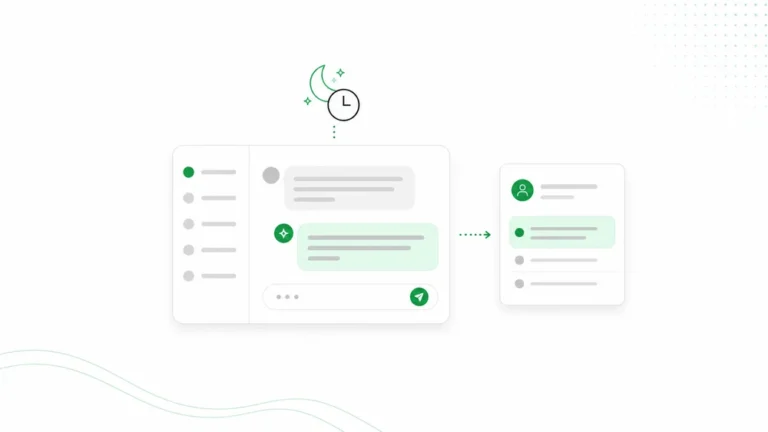
Make the emergency route visible before and during conversations. A chatbot must not become a barrier when an owner needs human help. A system can recognize risky words or patterns for handoff, but clinical decisions remain with professionals.
Client data, patient identity, consent, and privacy
Booking normally requires the owner name, contact, minimum patient identity, service or visit purpose, location, time, source, status, communication consent, and operational notes. Do not copy an entire medical record into chat or marketing fields.
Define role-based access, retention, correction, deletion, export, audit logs, and data flow to other systems. WhatsApp numbers, staff devices, spreadsheets, and third-party integrations also belong in the data map. Use data only for explained purposes and validate applicable legal duties before publication.
Service reminders are different from promotions. Record the basis for communication, offer relevant choices, control frequency, and provide a way to stop marketing. If a conversation becomes clinical, stop administrative automation and hand it off.
How Arion can help
Arion helps appointment-based businesses accept inquiries and bookings through booking pages, website chat, WhatsApp, and manual entry. Approved administrative knowledge can answer routine questions, help clients select a service, check slots, create requests, send confirmations, reminders, notifications, and route handoffs.
Bookings, administrative customer records, conversations, schedules, sources, statuses, notifications, and follow-up can operate in a more connected workflow. Arion supports Indonesian and English experiences, website embedding, confirmation rules, and team notifications.
Arion is not an electronic medical record, diagnostic or clinical triage tool, pharmacy system, inventory manager, POS, payroll, accounting platform, or substitute for a professional. Arion is most relevant as an inquiry, booking, communication, and follow-up layer alongside appropriate clinical and back-office systems.
A 30-day implementation plan
Week one: measure the current state
Sample inquiries, bookings, walk-ins, reschedules, cancellations, no-shows, and repeat visits. Map channels, response time, status, veterinarian, location, resources, and copy-and-paste steps. Select one frequent, high-impact bottleneck.
Week two: document the rules
Define the service catalog, shifts, availability, duration, buffers, resources, requested-versus-confirmed logic, emergency route, cancellation, rescheduling, reminders, consent, access, knowledge, and handoffs. Assign an owner to every rule.
Week three: configure and test exceptions
Test a normal slot, full veterinarian, full room, walk-in, late arrival, rescheduling, cancellation, after-hours inquiry, risky message, incomplete data, and notification failure. Ensure the system does not invent an answer when information is unavailable.
Week four: launch narrowly and improve
Start with one location or service group. Review exceptions daily and metrics weekly. Improve rules, templates, ownership, and training before expanding.
Metrics worth monitoring
- Median first response time.
- Qualified inquiry rate.
- Inquiry-to-slot-offered rate.
- Slot-offered-to-requested rate.
- Requested-to-confirmed rate.
- Booking completion and abandonment.
- Rescheduling, cancellation, and no-show rates.
- Booking lead time and time to appointment.
- Veterinarian, room, and slot utilization.
- Walk-in versus appointment mix.
- Percentage of bookings made after hours.
- Reminder delivery, response, and attendance.
- Handoff rate and exception reasons.
- New versus returning clients and follow-up booking rate.
Use consistent denominators and segment by service, veterinarian, location, source, and period. Operational metrics reveal bottlenecks; they do not measure clinical quality or justify unnecessary care.
Owner checklist
- Are inquiries and bookings distinct?
- Is requested different from confirmed?
- Does availability validate veterinarians and resources?
- Are durations and buffers based on data?
- Do walk-ins enter the same calendar?
- Do WhatsApp changes update the record?
- Is there a clear human route for emergencies?
- Is administrative data separate from medical records?
- Are consent and communication purpose recorded?
- Is staff access role-based?
- Are policies visible before confirmation?
- Can data be exported and audited?
Mistakes to avoid
Do not auto-confirm every service before rules are stable. Do not keep changes only in private chats. Do not offer a slot from one calendar when other resources are required. Do not put sensitive clinical details in marketing fields. Do not send reminders from unvalidated due dates. Do not treat a chatbot as a veterinarian.
FAQ
Does Arion replace veterinary medical records?
No. Arion focuses on inquiries, booking, schedules, communication, administrative customer records, and follow-up. Medical records remain in an appropriate clinical system under authorized professionals.
Can pet owners book through WhatsApp?
WhatsApp can be the starting channel. A request should enter the booking record, be validated against availability, and then be confirmed under clinic rules.
Can every appointment be confirmed instantly?
Not always. Standard services may follow rules, while emergencies, special preparation, constrained resources, or incomplete information require human review.
Can Arion provide medical advice?
No. Medical questions, urgency, diagnosis, medicines, and therapy must be routed to a veterinarian or the clinical route defined by the clinic.
Conclusion
How to Organize Veterinarian Schedules Without Conflicts should begin with a real bottleneck, responsibility boundaries, minimum data, capacity, status, and clear communication. Technology delivers value when pet owners receive an easy next step, staff share one record, and professionals receive the right exceptions.
Continue with Veterinary Clinic Queue System for Appointments and Walk-Ins and How to Prevent Double Booking at a Veterinary Clinic. You can also review Arion features and Arion pricing.