Lombok sports tourism is entering an interesting phase. For years, the island has been associated with surfing, diving, trekking, and more recently motorsports. Investment in resorts, wellness, tennis, padel, and sports camps now creates a broader possibility: travelers can visit not only to see the destination, but to train, join a program, and build an entire holiday around sport.
The planned Rafa Nadal Tennis Center at Samara Lombok in 2028 is one strong signal. However, the opportunity does not depend on one project. The larger opportunity sits within the network of local businesses serving the traveler before, during, and after the sporting activity.
Arion is not affiliated with the Rafa Nadal Academy or Samara Lombok. This is an independent analysis of sports tourism and reservation-business operations.
What is sports tourism?
Sports tourism refers to travel where sport is a major motivation. It can include:
- joining a training program or camp
- playing at a specific facility
- watching a competition
- entering an event
- traveling for running or cycling
- surfing at a destination
- joining wellness and recovery programs
- accompanying a child attending an academy
- combining family travel with sports activities
Sports travelers often have more specific needs than ordinary leisure travelers. They may require training schedules, equipment transport, particular meals, recovery, early breakfast, laundry, photography, or accommodation close to the venue.
Why Lombok fits
Lombok has several useful foundations.
Natural assets and outdoor activities
Beaches, waves, hills, trekking routes, and the ocean already position Lombok as an activity destination. Sports tourism feels like a natural extension.
Growing tourism infrastructure
The international airport, Mandalika area, resorts, villas, restaurants, and transport services continue to expand the destination’s capacity.
Proximity to Bali
Lombok can become a second destination for travelers already visiting Bali, while offering a quieter and more activity-led experience.
Multi-day product potential
Sports travel rarely ends after one hour. Many products can be sold as a three-day package, a one-week camp, or an intensive program combining training, recovery, and accommodation.
From surf tourism to a wider ecosystem
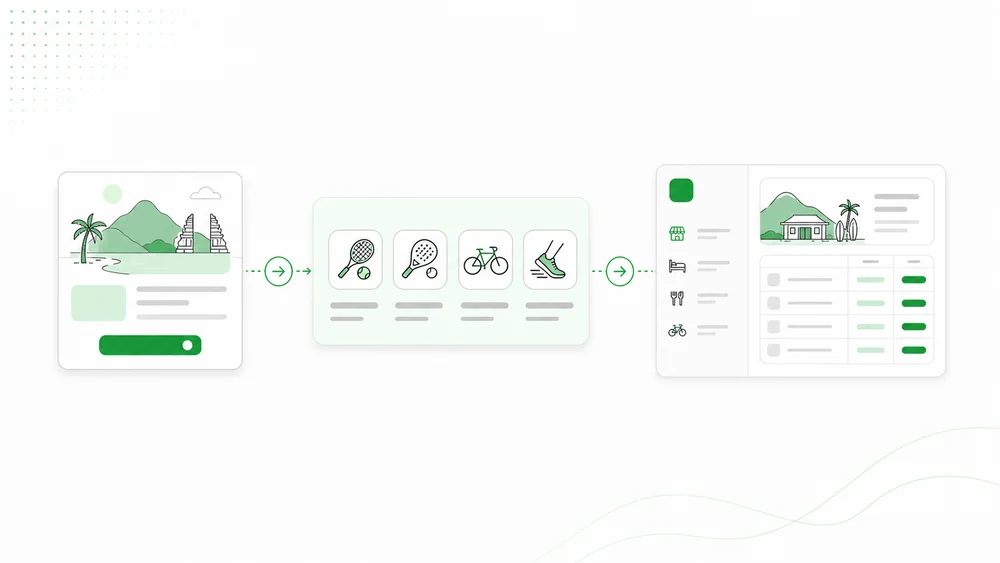
Surfing remains one of the foundations of Lombok sports tourism. Surf schools, surf camps, guiding, board rental, photography, and transfers already form a real business chain.
That ecosystem can offer a reference for other categories:
- tennis academies
- padel clubs
- cycling camps
- running retreats
- martial arts camps
- swimming clinics
- yoga and mobility retreats
- strength and conditioning camps
- family sports holidays
The operating pattern is similar: customers research a program, ask about suitability, choose dates, check capacity, pay a deposit, receive instructions, and attend.
Local business opportunities
Hotels, villas, and accommodation providers
Accommodation businesses can create products that are more specific than a room alone:
- stay and train packages
- family sports weeks
- athlete-friendly breakfast
- sports laundry
- late checkout after a session
- scheduled venue transfers
- recovery add-ons
Tour operators and transport providers
Sports travelers often need precise transport schedules and may carry rackets, boards, bicycles, or other equipment.
Operators can provide airport pickup, daily venue transfers, custom activities for accompanying family members, recovery-day itineraries, and sport-and-nature combinations.
Wellness and recovery providers
After training, guests may look for massage, physiotherapy, mobility sessions, ice baths, sauna, healthy meals, or sleep-focused recovery.
Wellness providers can build partnerships with academies, camps, hotels, and coaches.
Local coaches and academies
Rising interest in tennis, padel, surfing, and other sports can create demand for beginner lessons, private coaching, junior programs, and corporate activities.
Food and beverage
Restaurants and caterers can offer pre-training meals, post-training menus, children’s menus, hydration packages, and group dining.
Operational complexity is often underestimated
Sports tourism is attractive from a marketing perspective, but delivery can be complex.
One booking may involve:
- several participants
- different skill levels
- multiple sessions
- a particular coach
- courts or other resources
- accommodation
- deposits
- transfers
- waivers
- emergency contacts
- weather changes
- rescheduling
- activities for accompanying family members
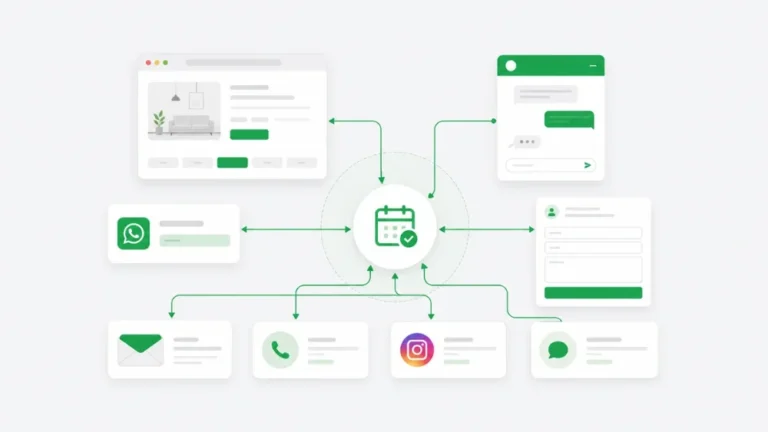
When all data lives inside chat, coordination risk increases. Businesses need to separate communication from the operational source of truth.
Three common sports tourism product models
Session products
Private coaching, group classes, court-based sessions, massage, and assessments are sold by date and time.
Multi-day products
Camps, retreats, intensive clinics, and family sports holidays require a start date, end date, capacity, and sometimes accommodation.
Inquiry-based products
Corporate groups, school trips, events, and private retreats often need a tailored schedule before confirmation.
A single operator may offer all three. A booking system that supports only one rigid model can quickly become a constraint.
Building a better customer journey
A useful customer journey should answer five questions:
- Who is the program for?
- When is it available?
- What is included?
- What is the price and deposit?
- What happens next?
Basic information should be visible on the website or booking page. Customers who still need help can use an AI booking chat. Once intent is clear, details should enter a dashboard for the owner to process.
WhatsApp can remain useful for personal communication, but it should not be the only booking database.
Arion’s role in sports tourism
Arion is designed for reservation businesses operating in session, camp, or inquiry modes.
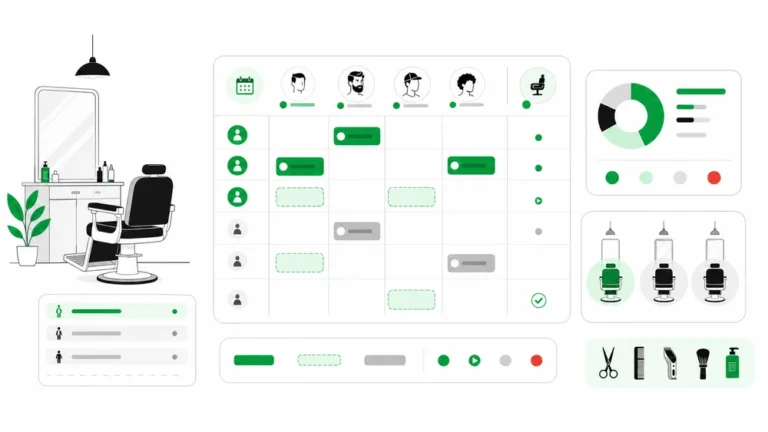
For classes and coaching, session mode manages dates, slots, capacity, participants, and booking status.
For camps and retreats, camp mode supports date ranges, occupancy, room capacity, deposits, seasonal pricing, and participant-specific information.
For groups and tailored packages, inquiry mode captures requirements without forcing the customer to choose a final schedule too early.
Arion’s AI booking assistant can answer common questions, collect data, check availability, and create bookings or inquiries in the owner dashboard.
Arion is not a hotel channel manager, court marketplace, or tournament platform. Its focus is cleaner booking flow and calmer owner operations.
A content strategy for Lombok sports tourism businesses
Local operators can build topical authority through content such as:
- beginner guides
- the best time to join a program
- three-to-seven-day itineraries
- family sports holiday guides
- packing checklists
- private versus group class comparisons
- healthy dining recommendations
- activities for accompanying guests
- weather and rescheduling policies
- directions to the venue
Good content does more than attract traffic. It reduces repetitive questions and helps customers arrive ready to book.
Metrics owners should monitor
Businesses should look beyond chat volume.
Useful metrics include:
- inquiry source
- conversion to booking
- average booking value
- booking lead time
- cancellations and reschedules
- occupancy or capacity
- most popular packages
- returning customers
- revenue per program
- frequently asked questions
These signals help operators decide when to add coaches, vehicles, rooms, or program dates.
Conclusion
Lombok sports tourism can expand from its surfing and outdoor foundations into tennis, padel, wellness, sports camps, family travel, and structured training programs.
The opportunity includes academies, coaches, hotels, villas, tour operators, transport providers, wellness businesses, food and beverage operators, and local activity providers.
Growing demand, however, must be supported by strong operations. Businesses with clear information, simple booking flows, structured customer data, and calm coordination will be better positioned as the destination develops.
FAQ
What are examples of sports tourism in Lombok?
Surf camps, tennis camps, padel holidays, cycling, running events, trekking, diving, motorsports, wellness retreats, and family sports programs.
Can small businesses benefit?
Yes. Transport, accommodation, wellness, food, local coaching, photography, rental, and tour businesses can become part of the guest experience.
Must every product be instantly confirmed online?
No. Session products can use direct booking, while group travel and custom packages may be better handled as inquiries.
What systems should a business prepare first?
A clear service catalog, availability, customer records, deposit status, rescheduling policies, and an operational dashboard as the main source of truth.