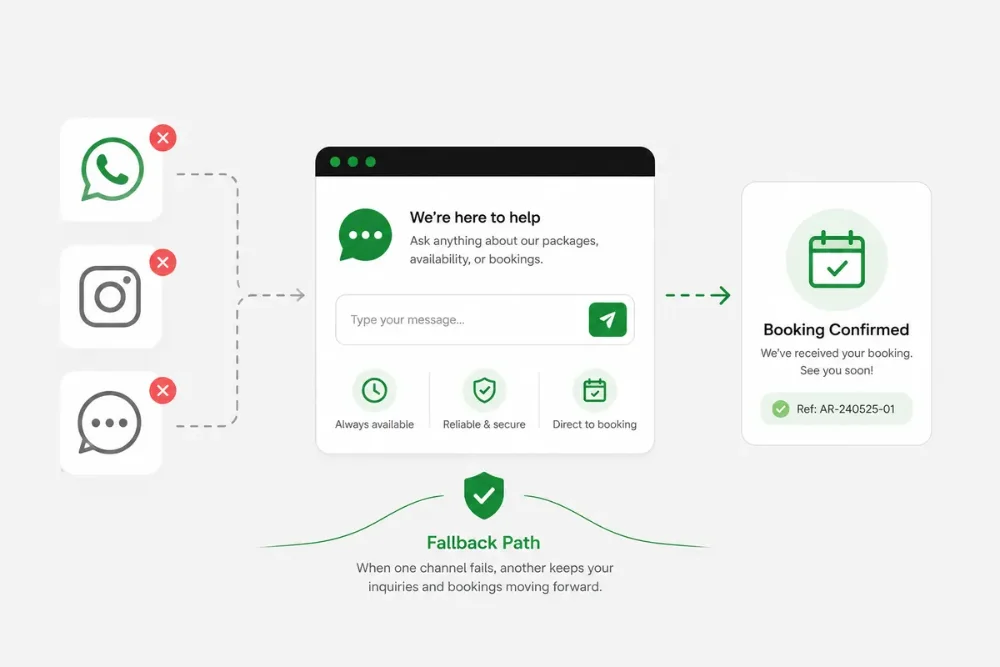
A backup channel is not simply a second phone number. A second number can experience the same problems and often creates another separate data stream.
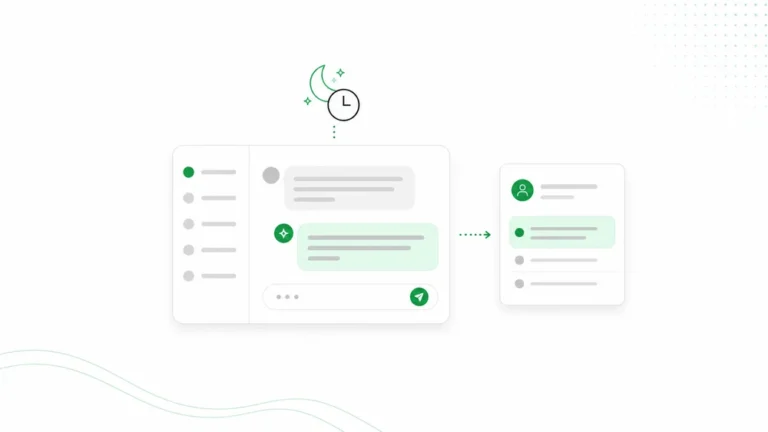
A useful fallback allows customers to express intent and the business to process it when the primary channel fails.
Principle 1: make the website the home base
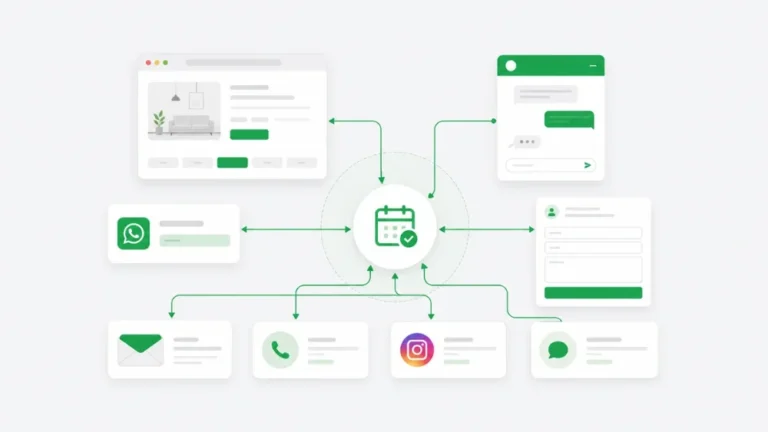
Instagram, Google, advertising, and WhatsApp are distribution channels. The website can become the central information and conversion asset.
Maintain permanent URLs for:
- services
- booking
- inquiries
- web chat
- contact status
When a channel changes, the owner redirects traffic to the same stable URL.
Principle 2: provide different paths for different intent
A customer ready to book needs a fast form.
A customer with questions needs chat.
A customer with custom requirements needs an inquiry form.
A returning customer may still prefer WhatsApp.
A good fallback does not overwhelm people with options. It provides clear CTAs:
- Book now
- Ask a question
- Contact us
Principle 3: use one dashboard
Multi-channel becomes messy when each channel stores separate data.
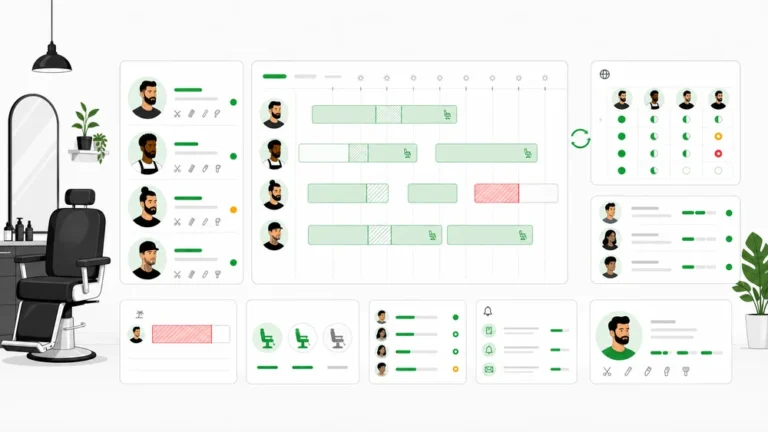
Website bookings, chat inquiries, and manual entries should enter one dashboard with consistent status.
Owners should see:
- customer identity
- requirement
- date or date range
- package
- participant count
- deposit
- follow-up status
- inquiry source
Principle 4: prepare an emergency mode
Create the text and procedure before disruption happens.
Example website banner:
Our WhatsApp response is temporarily limited. Booking and inquiries remain available on this page.
Example Instagram story:
Please use the booking link in our bio for now. Every request still reaches our team.
Define who activates the banner, who monitors inquiries, and when normal status returns.
Principle 5: test the fallback regularly
Do not wait for a restriction to discover that the form is broken.
Every month, test:
- booking submission
- inquiry submission
- mobile chat
- confirmation email
- owner dashboard
- Instagram links
Flow by business mode
Session:
Website → service → date and slot → customer data → booking dashboard
Camp:
Website → package → start/end date → room or capacity → customer data → dashboard
Inquiry:
Website → requirements → optional date → contact → owner follow-up
How Arion fits
Arion can become the booking layer that remains available outside WhatsApp. The public booking page supports high-intent customers. AI web chat handles questions. Inquiry mode supports flexible requirements.
Owners continue using the same dashboard for the results.
WhatsApp becomes one follow-up channel rather than the only inquiry system.
Conclusion
An effective backup channel has three components:
- a stable website URL
- a customer-usable booking or inquiry flow
- a dashboard that unifies the data
A second number may help, but business continuity requires a stronger design than a spare SIM.